Safe, ethical, and respectful dog training for your family
- Home
- Find A Trainer
Offering private lessons in your home in Pickens, Gilmer, and Cherokee Counties

Offering private lessons in your home in Blue Ridge, Georgia and surrounding areas
- Learn What No Force Means
What Does “No Force” Actually Mean?
No-force training is more than choosing different equipment. It’s a different way of communicating with your dog.
We communicate with dogs through body language, hand signals, verbal cues, environmental setup, reinforcement, and opportunities to make choices. We teach dogs what behaviors are likely to work rather than using pain, fear, intimidation, or physical force to make a behavior happen.
And communication goes both ways.
A no-force trainer doesn't just ask, “How do I get this dog to do what I want?” We also ask, “What is this dog trying to tell me?”
Your dog's body language, movement, facial expressions, vocalizations, behavior, and changes in behavior all provide information. We use that information to adjust our approach rather than simply increasing pressure when a dog doesn't respond.
No Force Does Not Mean No Guidance
Dogs still need boundaries, structure, and guidance. They need to learn how to live successfully in a human world.
The difference is how we teach those skills.
Instead of forcing a dog into compliance, we:
Use verbal cues and hand signals to communicate what we'd like the dog to do
Use body language and positioning to make our requests easier to understand
Arrange the environment to reduce unnecessary mistakes and overwhelming situations
Use reinforcement to make desired behaviors worthwhile
Give dogs appropriate choices and opportunities to participate
Pay attention to the dog's communication and adjust when something isn't working
Teach alternative behaviors rather than punishing unwanted communication
What We Don't Use
No-force training does not rely on pain, fear, intimidation, or physical corrections to change behavior.
That means no:
Shock collars. Prong collars. Choke collars. Leash corrections. Alpha rolls. Physical punishment. Intimidation.
We don't believe a dog needs to be hurt, frightened, or overpowered in order to learn.
The goal isn't simply to make a dog comply. The goal is to help the dog understand, participate, and learn skills that work in real life.
That's what we mean by no force.
- How We Verify Trainers
How We Verify Trainers
✓ Professional Liability Insurance
✓ Continuing Education
✓ Evidence-Based Practices
✓ Do No Harm
✓ Ethical Marketing
✓ Industry Memberships
✓ Position Statement Support
✓ References Available
✓ Professional Credentials
- Why This Directory Exists
Choosing a dog trainer shouldn't feel like a guessing game
The dog training industry has no universal licensing requirements. There are no requirements for education, no skills tests, no oversight on what a trainer can claim as credentials, and no requirements for liability insurance.
That's why we created this directory—
to help families find professionals who are committed to humane,
evidence-informed training and transparent professional standards.
Before
"I don't know who to trust."
↓
Bridge
Learn. Understand. Compare. Verify.
↓
After
"I found someone I feel good about inviting into my home."

Guiding Families Across The Bridge To Better Relationships and Stronger Bonds
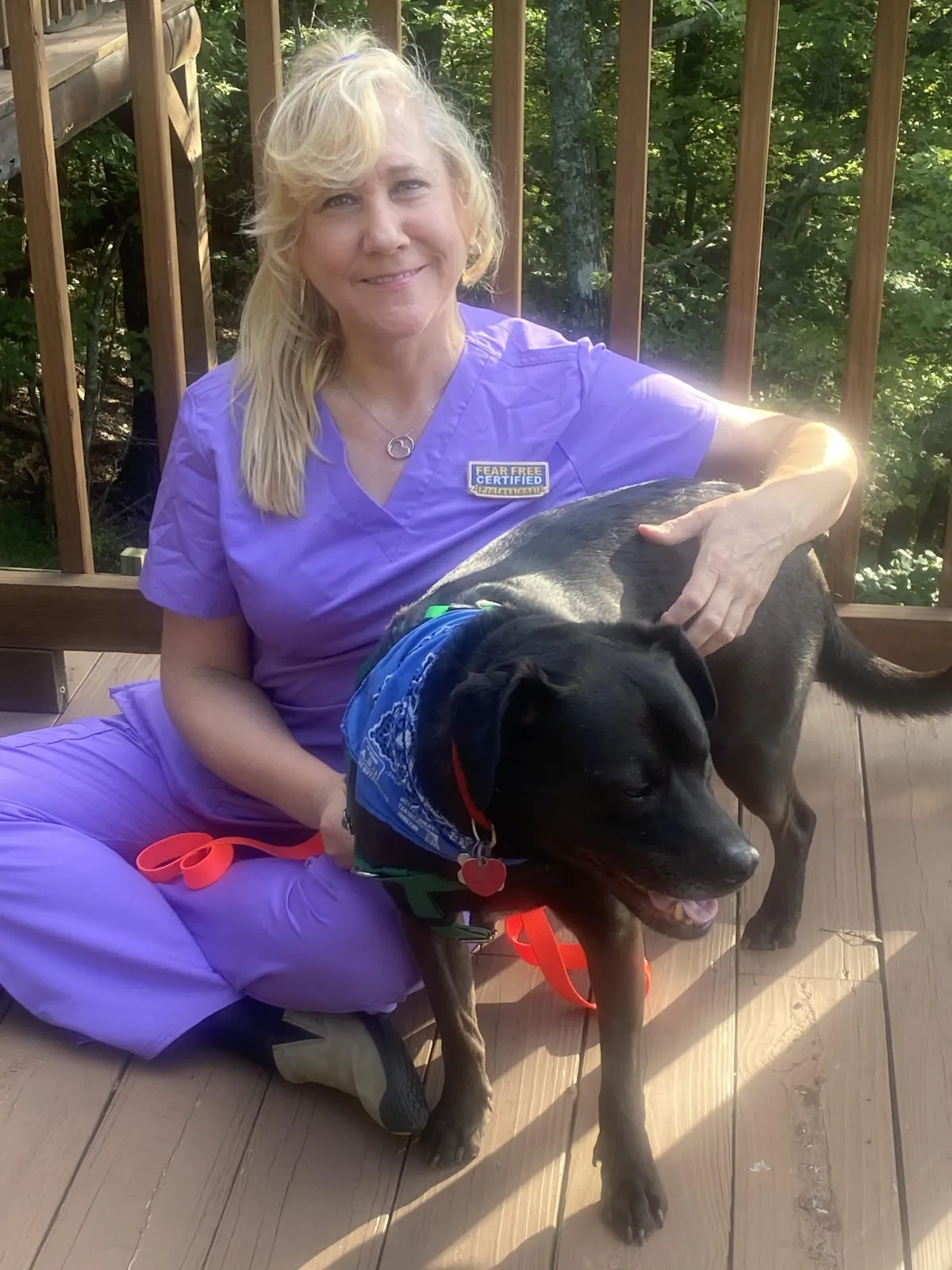
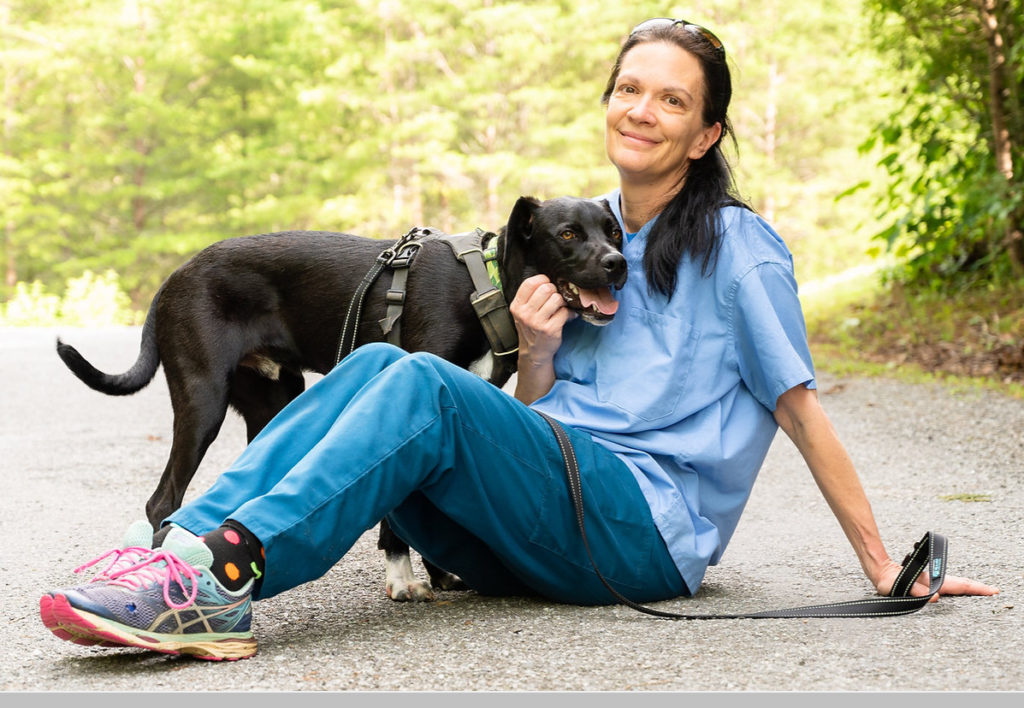
Meet Linda and Sue

Linda Ross
The Companion Animal Decoder™

Respectful Communications Animal Training LLC


© 2026 No Force Dog Training